Our story
From the UK’s longest-established solar installer to aes renewables today

If you’re considering solar panels, one of the first decisions is whether to add battery storage too.
The right answer depends on how your household uses electricity, what you want the system to achieve and when you use the most energy. For some homes, solar panels alone provide strong long-term value. For others, battery storage makes more of their solar electricity available when they need it.
The best setup is not the biggest one. It’s the one designed around your roof, routine and future plans.
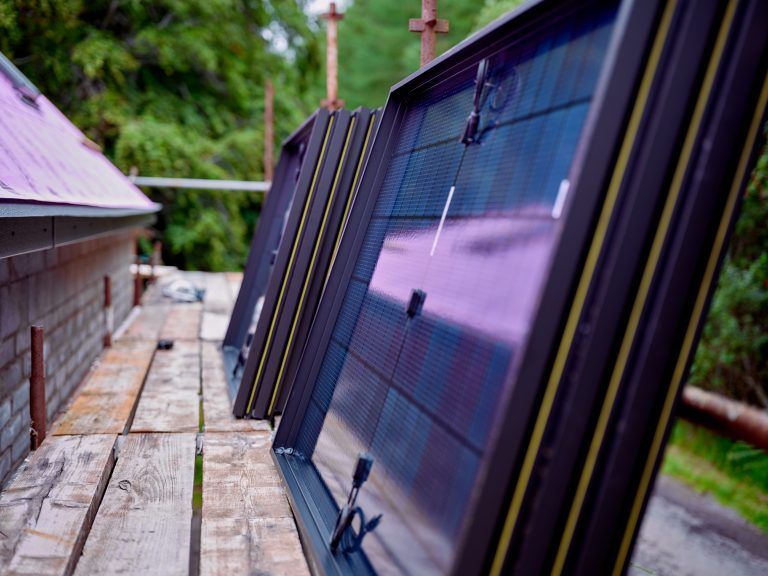
For most homes, solar panels are the natural starting point. They generate electricity during the day, helping you buy less from the grid and make practical use of your roof space.
A well-designed solar PV system can:
Solar panels can make a meaningful difference to your electricity bills on their own. The key is designing the system around your property and energy habits, not simply fitting as many panels as possible.
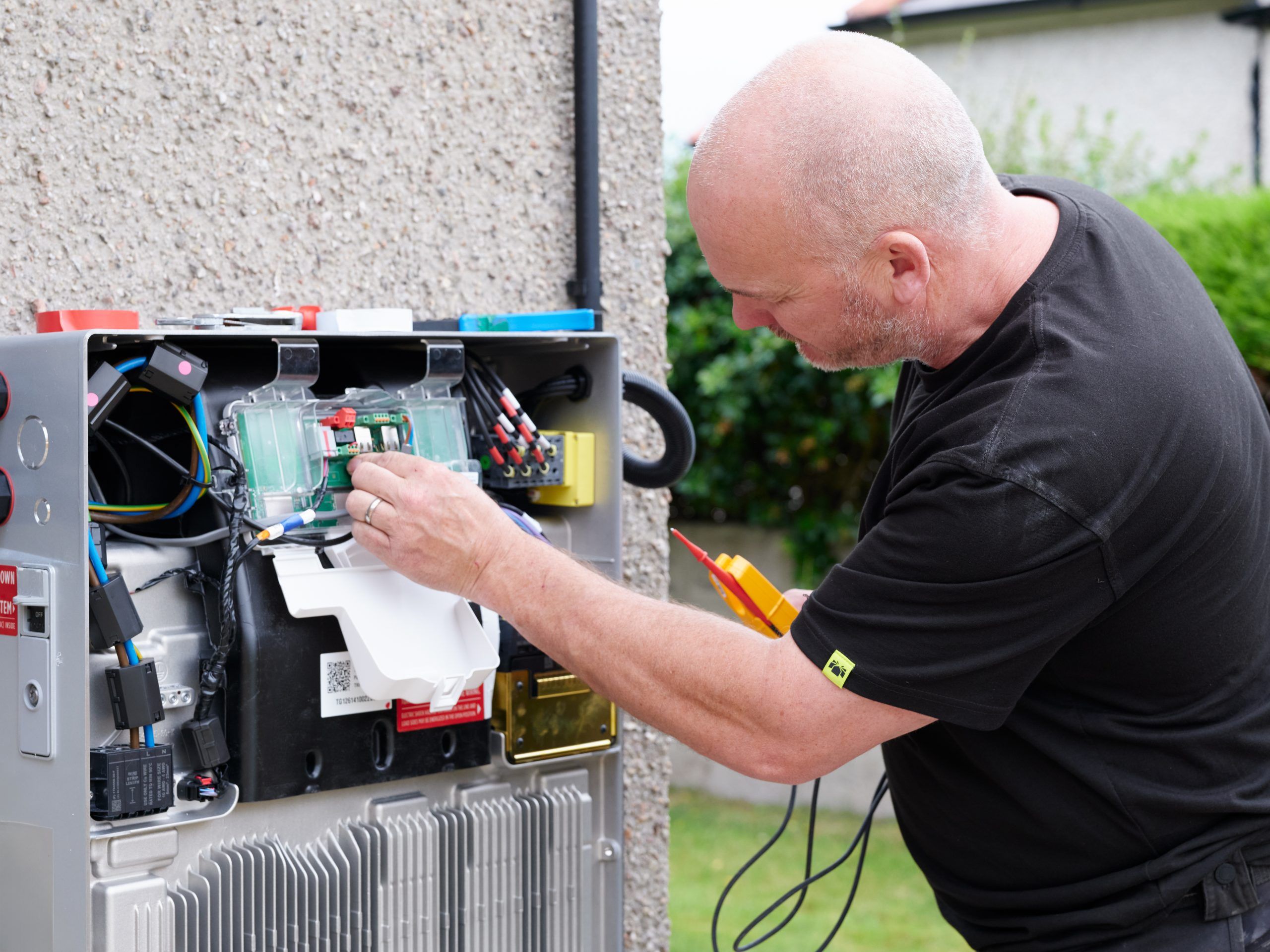
A battery does not generate electricity. It stores power your solar panels have produced but your home has not used yet.
On a bright afternoon, your panels may generate more electricity than you need. Instead of sending all that surplus back to the grid, a battery can store it for later. You can then use that energy in the evening, when lights, cooking, appliances and home working may increase demand.
Battery storage can be particularly useful if:
For many households, battery storage provides greater control over how and when they use their solar electricity. It helps you use more of the electricity you generate at the times you need it most, reducing your reliance on power from the grid.
Solar panels and batteries do not always need to be installed together. Solar panels alone can work well for homes that use electricity during the day, or for homeowners who want to reduce energy costs while keeping the initial investment lower.
Choosing solar panels first can also give you flexibility for the future. Many systems can be designed so battery storage can be added later, once you have a clearer picture of how your household generates and uses solar electricity.
For homes with higher evening demand, a combined solar and battery system can make sense. You generate electricity during the day, store what you do not use and draw on it later when your home needs it most.
This can work particularly well for busy households, electric vehicle owners, homes with heat pumps and anyone looking to reduce reliance on grid electricity.
The technology matters, but your routine matters more. A system designed around real use will usually perform better than one chosen from a standard package.
Before choosing solar panels, battery storage or both, it’s worth looking at when your home uses the most electricity. Think about daytime demand, evening routines, future electric vehicle charging, heating plans and any changes to the property.
Your roof space, orientation and shading matter too. A proper assessment gives you a clearer picture than a quick estimate, because it connects the technology to the way your home actually works.
Solar panels alone can reduce your reliance on grid electricity and deliver lasting value. Adding battery storage can give you greater control by keeping more of your solar electricity available for later.
If you are comparing both, start your conversation with aes renewables and we’ll help you choose a setup designed around your home, energy use and future plans.
Feeling good energy.